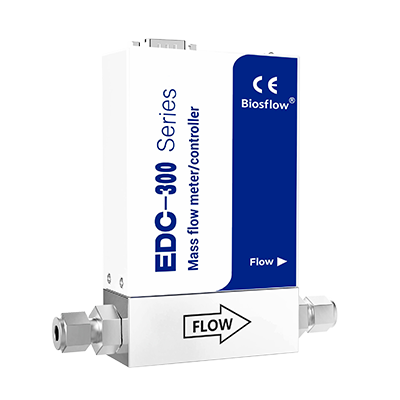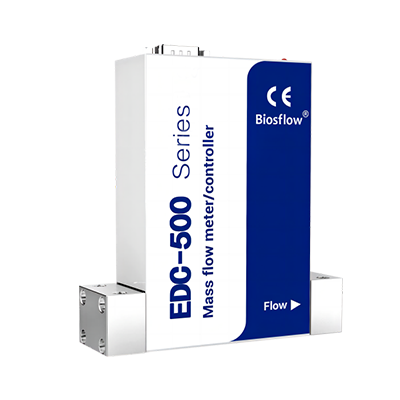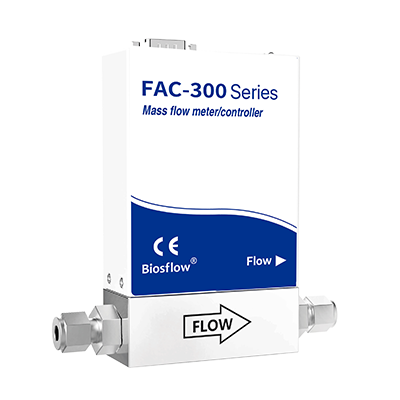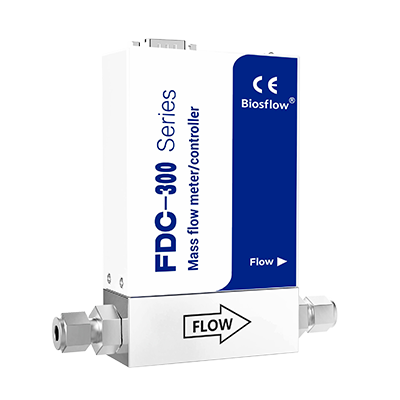
Q58: What are the common applications of MFCs?
A: MFCs serve a wide range of industries, including semiconductors, photovoltaics, LEDs, vacuum coating, fuel cells, hydrogen energy, analytical instruments, gas chromatography, biopharmaceuticals, environmental monitoring, combustion control, and gas mixing.
Q59: What requirements does the semiconductor industry place on MFCs?
A: The semiconductor industry demands high purity, low leak rates, corrosion resistance, fast response, stable accuracy, VCR connections, metal seals, and digital communication. Therefore, you should select MFCs that meet these strict standards.
Q60: What should you pay attention to in hydrogen energy applications?
A: You should consider hydrogen embrittlement, leakage, explosion protection, sealing materials, and flow range. In addition, we recommend choosing models specifically designed for hydrogen or calibrated with hydrogen.
Q61: How do you choose an MFC for analytical instruments?
A: You should focus on low-flow accuracy, repeatability, response time, dead volume, material compatibility, and communication interfaces. Moreover, these factors directly affect analytical performance.
Q62: What should you pay attention to when using MFCs in biopharmaceuticals?
A: You should ensure cleanliness, cleanability, disinfection resistance, gas compatibility, and calibration traceability. Furthermore, these requirements help maintain product quality and regulatory compliance.
Q63: How do you choose an MFC for environmental monitoring?
A: You should select the model based on gas type, flow range, ambient temperature, and corrosion resistance requirements. If necessary, choose multi-gas calibration to improve accuracy.
Q64: Can you use MFCs in gas mixing systems?
A: Yes, you can. You can use multiple MFCs to control different gases proportionally, and then combine them with a mixing tank or static mixer to achieve precise gas blending.
Contact Us
Related Products