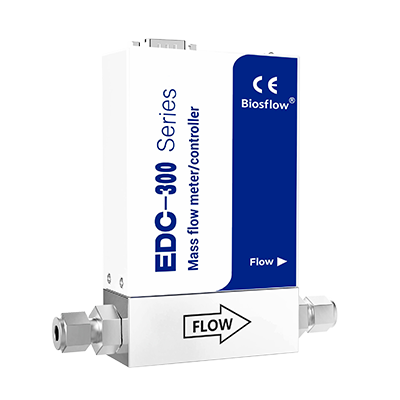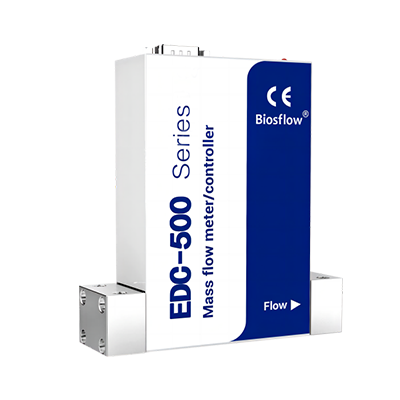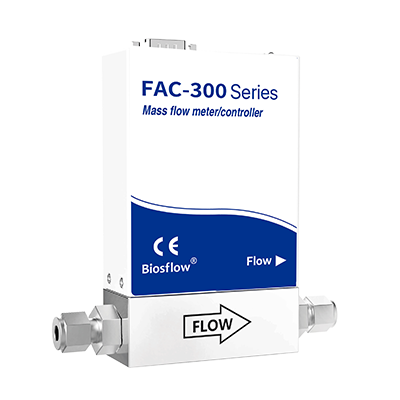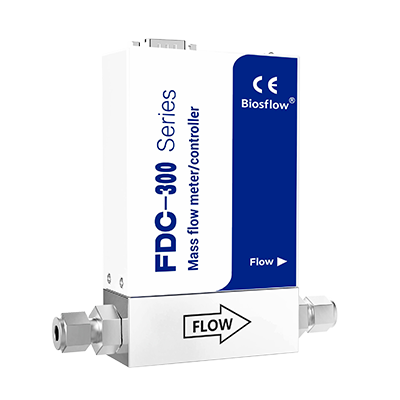
A mass flow controller is a core topic in fluid dynamics in modern industrial systems. A look back at the history of the gas mass flow controller actually shows that humans have pursued precision in controlling physical quantities. In the past, we used our eyes for observation. Modern mass flow controller respond in nanoseconds. Their progress has fully changed related industries, including semiconductors, aerospace, and chemicals. Next, let us take a look at the history of the gas mass flow controller.
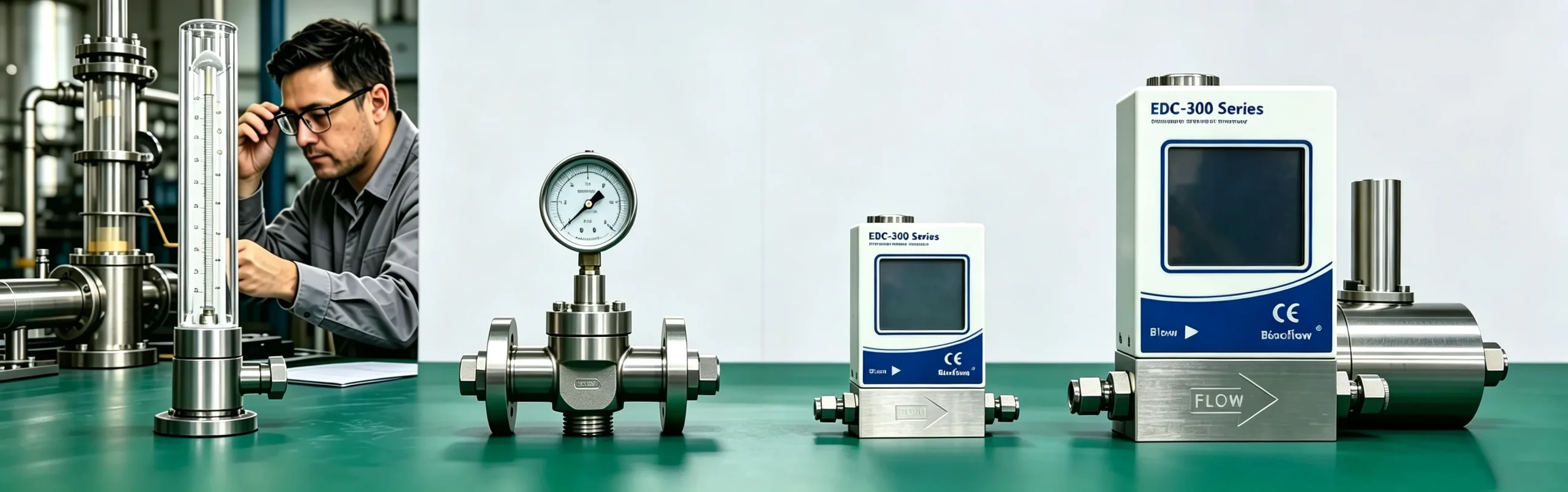
1. Before the 1950s: Limitations of Volumetric Flow Measurement
Before the mid-20th century, flow measurement relied mainly on mechanical devices such as the traditional float/rotor flow meter. This early “flow meter” operated on the principle of volumetric measurement, indicating flow rate by the height of a float in a tapered tube.
However, engineers soon discovered a fatal flaw in volumetric flow measurement for gases: the volume of a gas can fluctuate significantly with changes in temperature and pressure. In laboratories or high-precision industrial operating conditions, these environment-dependent measurements lacked repeatability. To solve this problem, industry began to seek a device that could directly measure precise flow—which led to the birth of the mass flow controller.
2. 1960s: Breakthrough in Thermal Sensing Technology
Real modern mass flow controller came out in the 1960s. NASA and the early semiconductor industry had strict requirements for precise micro-gas delivery. It was these requirements that promoted the development of mfc flow.
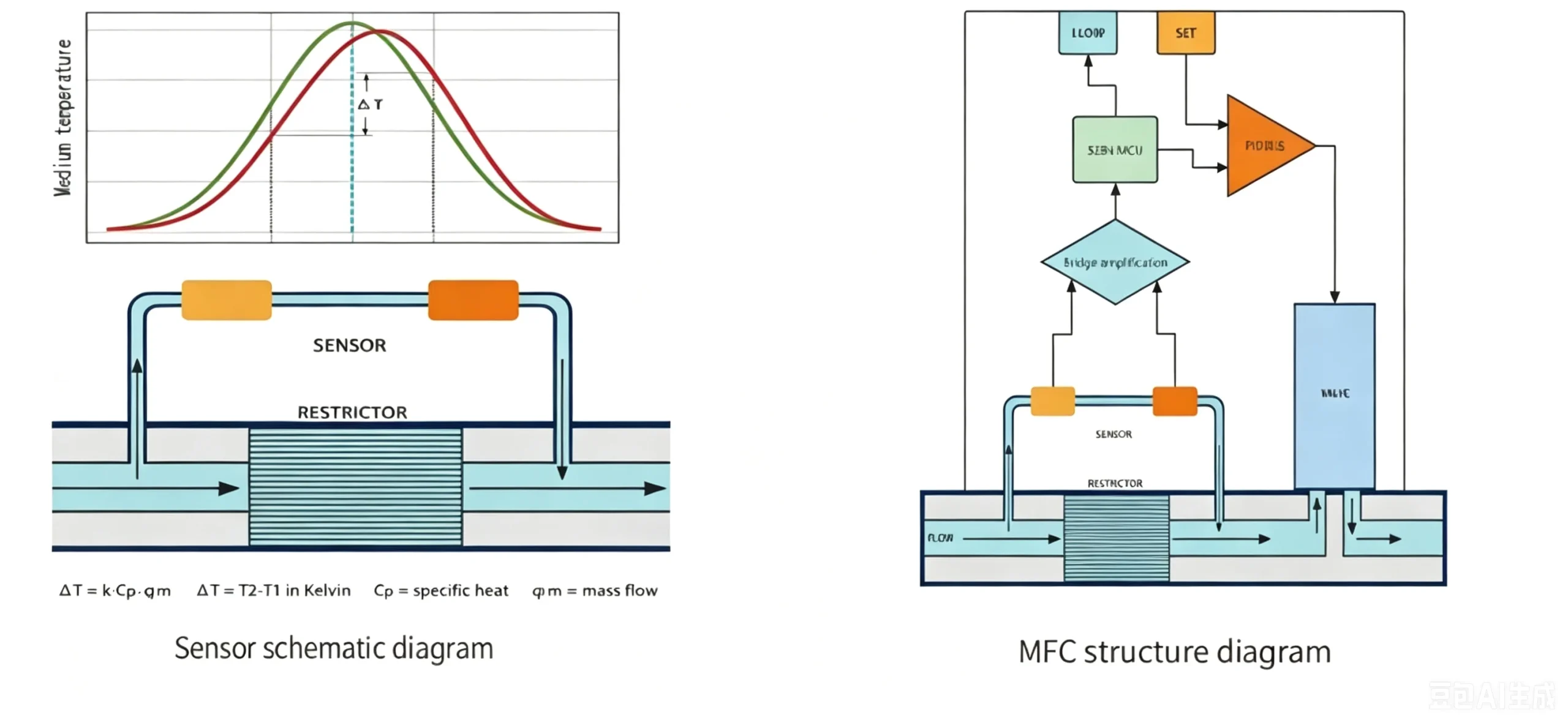
At the end of the 1960s, a sensor based on the thermal transfer principle was developed. This technology heated a capillary tube and measured the temperature difference between its upstream and downstream sections, using the gas’s specific heat to calculate the mass flow rate controller. This breakthrough marked the official launch of the mass flow rate controller. Early mass controller were enormous in size and relied entirely on analog circuitry, but they represented a fundamental leap forward from “measuring volume” to “measuring mass.”
3. 1970s–1980s: Integration of Measurement and Control
Early devices were just mass flow meters. They only took measurements. People adjusted flow manually with needle valves.
In the 1970s, proportional solenoid valve technology became mature. Manufacturers integrated sensors, PID control circuits, and control valves into a single small metal unit. This is how today’s gas mass flow controller came into being.
A key development during this period was closed-loop control technology. The closed-loop control of a mass flow controller is a dynamic feedback system that automatically regulates mfc flow. It integrates measurement and control functions: sensors monitor the flow rate in real time and feed data back to internal control circuitry, which automatically adjusts the valve opening and closing. This integrated design has greatly contributed to early semiconductor diffusion furnaces and chemical vapor deposition (CVD) processes, making the continuous production of large-scale integrated circuits possible.
4. 1990s: The Impact of the Digital Revolution
With the spread of computer technology, the flow controllers mass measurement field underwent a major revolution: digitalization.
Traditional analog‑controlled mass flow controller were susceptible to environmental noise and signal attenuation over long distances. Digital mass flow controller overcame these flaws. Built‑in microprocessors enabled complex linearization, temperature compensation, and multi‑gas calibration. Moreover, the introduction of digital communication protocols (e.g., DeviceNet, Profibus, Modbus) allowed a single central computer to precisely manage hundreds of mass flow controller simultaneously; the level of automation in the factory has seen a quantum leap.
5. The 2010s to the present day: the Age of Intelligence and the rise of Domestic Products.
Entering the 21st century, Micro-Electro-Mechanical Systems (MEMS) technology has driven mass flow controller toward miniaturization and ultra-fast response.
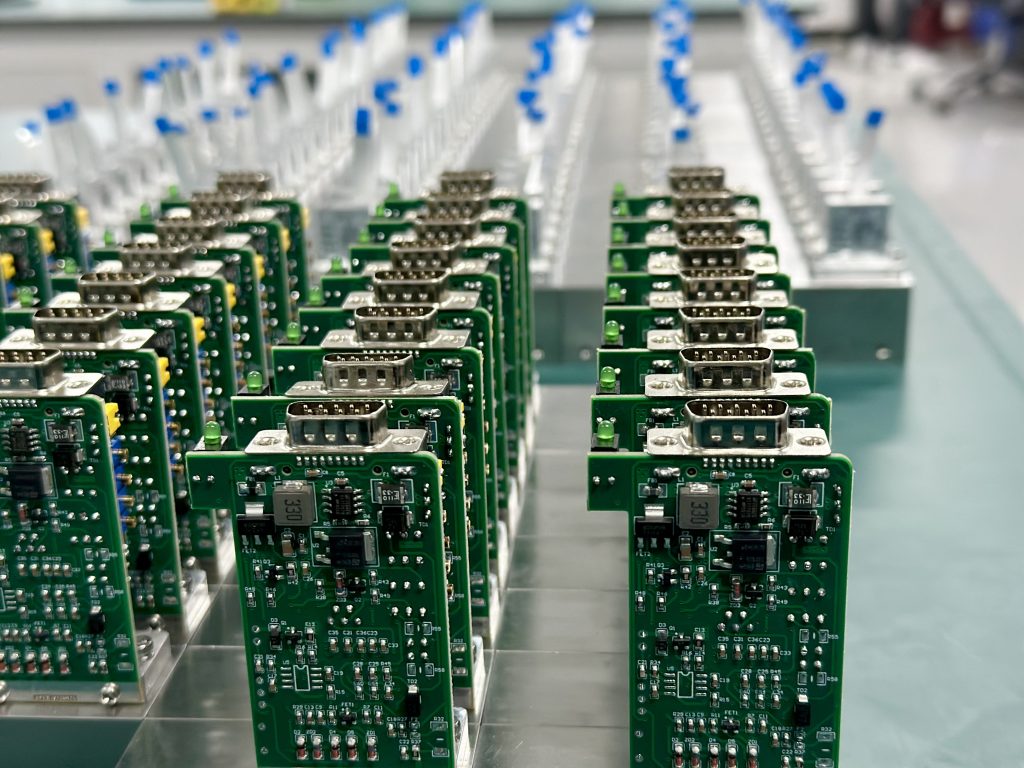
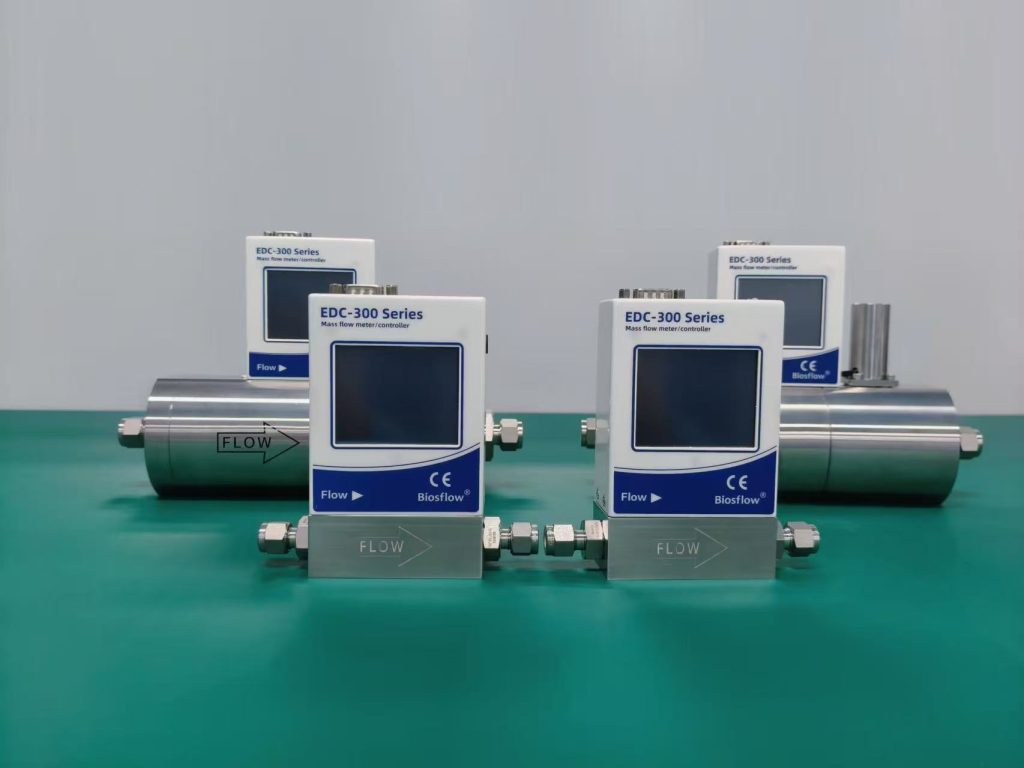
Ultra-fast response: Modern gas mass flow controller can now achieve response times of tens of milliseconds, which is critical for instantaneous gas switching in semiconductor etching processes.
Supports switching between multiple gases: In the past, gas mass flow controllers were designed to measure and control only a single gas; today, thanks to advanced algorithms, users can freely switch between dozens of different gases for measurement and control using the same device.
With the rise of advanced semiconductor manufacturing processes, new energy, and biopharmaceuticals, mfc flow has made significant progress in MEMS (Micro-Electro-Mechanical Systems) sensor technology, fast-response valves, and corrosion-resistant coatings. Meanwhile, local manufacturers in China have accelerated the research and development and domestic substitution of key components.
6. Summarising historical patterns
In short, when we look back on the history of gas mass flow controller, a distinct logical line emerges. First of all, their measurement mode has transitioned from environment-reliant volumetric measurement to the stable measurement of thermal mass flow rate controller. In addition, they have developed from simple measuring devices into all-in-one flow controllers featuring both sensing and actuation. What’s more, they have gradually transformed from large-sized analog instruments into sophisticated digital devices with high intelligence.
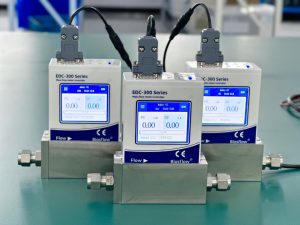
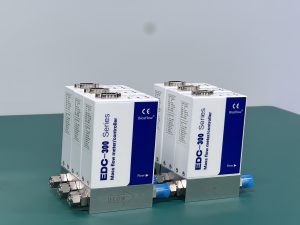
Biosflow’s gas mass flow controller provide precise control for various industries. Our digital mass flow controllers not only offer convenient touchscreen operation but also provide customization services to suit your application. Please contact our sales manager at alexa@biosflows.com or add WhatsApp(+86 151 38465679)if needed.
Contact Us
Related Products